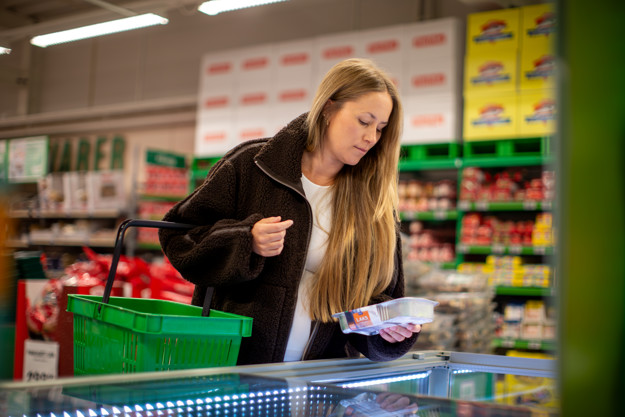
Julie Vevle Øvreås is standing by the fish section in the supermarket. Heavily pregnant, she carefully studies the packaging of Lerøy’s salmon fillets before putting them in her shopping basket.
“How do you feel about eating salmon while you’re pregnant?”
“I prefer to trust the research and follow the government advice, rather than listen to people on TikTok who think they’re experts on nutrition”, is Julie’s firm answer.
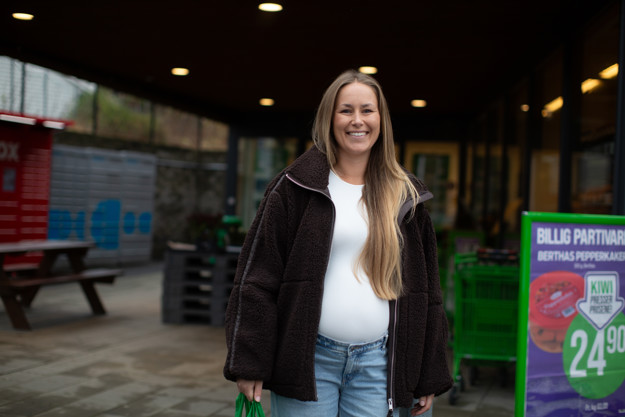
Julie, who works as a nurse, says that she has eaten salmon and cod at least once a week right through her pregnancy.
But many people don’t share Julie’s enthusiasm for eating fish. Social media posts frequently claim that fish contain harmful chemicals and that you shouldn’t eat too much farmed salmon.
“On social media, I’ve seen claims about harmful chemicals in fish and that you ought to avoid farmed salmon. There is so much information out there. When you’re pregnant, you get extra worried about anything that might harm your baby.”
According to experts, it is advisable to include salmon in your diet during your pregnancy.
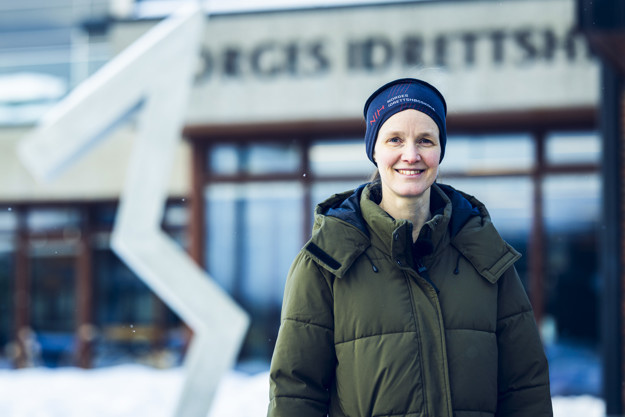
“All of the research suggests that it is safe, and the government advice is crystal clear: there is no reason not to eat salmon while you’re pregnant”, says Kristin Lundanes Jonvik, a clinical nutritionist with a PhD in sport nutrition.
She supports Julie’s decision. Both lean fish like cod and fatty fish like salmon are particularly important for pregnant women.
“Fatty fish contains a wonderful cocktail of nutrients. It is a good, clean source of protein, and regarding other nutrients in fish, it is especially hard to get the omega-3 fatty acids and vitamin D you need from food products other than fatty fish” says Jonvik.
Jonvik explains that our body cannot produce omega-3 fatty acids itself, so we need to get them through our food.
“It is essential to get enough omega-3, which plays a key role in the development of the brain of the growing foetus” underscores Jonvik.
“The marine omega-3 fatty acids EPA and DHA are especially important. As one of the major building blocks of the foetus’s brain cells, DHA is vital during pregnancy. The brain is 50–60 percent fat, so the fatty acid composition plays a decisive role in its development.
“In addition to providing omega-3, salmon is a great source of vitamin D, for which the other main source is sunlight. That is particularly significant in Norway, where the amount of sunlight is limited for much of the year” says Jonvik.
Lerøy believes in traceability. There are inspections at each step in the production process, and all salmon produced by Lerøy undergoes strict checks.
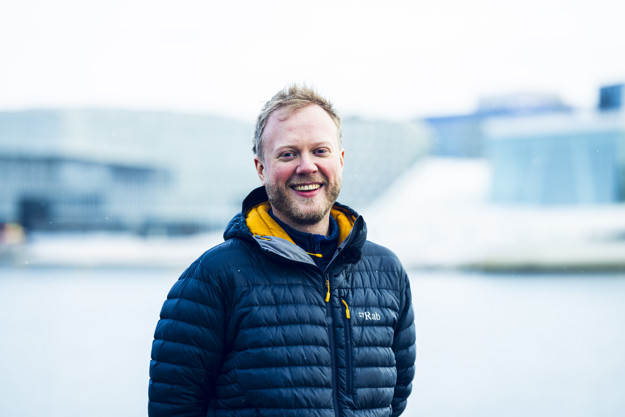
“I totally understand that people don’t know what to believe when there is so much information out there, but Norwegian farmed salmon is safe to eat”, says Are Mæland Paulsen, a fish health biologist and quality manager at Lerøy Seafood.
Measures to ensure food safety start long before the fish reaches people’s kitchen counters. You have to make sure the fish is given optimal conditions for growth before being slaughtered and packaged”, says Paulsen.
“Many people don’t realise how strictly regulated Norwegian seafood production is. We have one of the strictest regulation and inspection regimes in the world, which offers a level of assurance to consumers that is hard to beat”, he adds.
Back home in the kitchen, Julie is busy preparing today’s dinner: oven-baked salmon with vegetables and crème fraîche.
“I try to eat a healthy and varied diet, and salmon is an important part of that. It contains omega-3 and vitamin D, which are good for both me and my baby”, she says, putting the salmon fillets into an oven dish.
Julie is happy to share her simple and nutritious recipe, which takes around 20 minutes to make:
“It is a simple and quick everyday dish. And it tastes delicious”, says Julie smiling.
As a nutritionist, Jonvik gives Julie’s meal the thumbs up:
“That sounds like a tasty and nutritious meal. With pasta for carbohydrates, it makes a perfect, complete meal which is good for both her and her baby”, says Jonvik.
While the salmon is baking in the oven, Julie appeals to people to eat more seafood.
“I have read that most people in Norway eat too little fish. That’s a shame, because seafood is so tasty and nutritious. I definitely want fish to be a big part of my diet.”